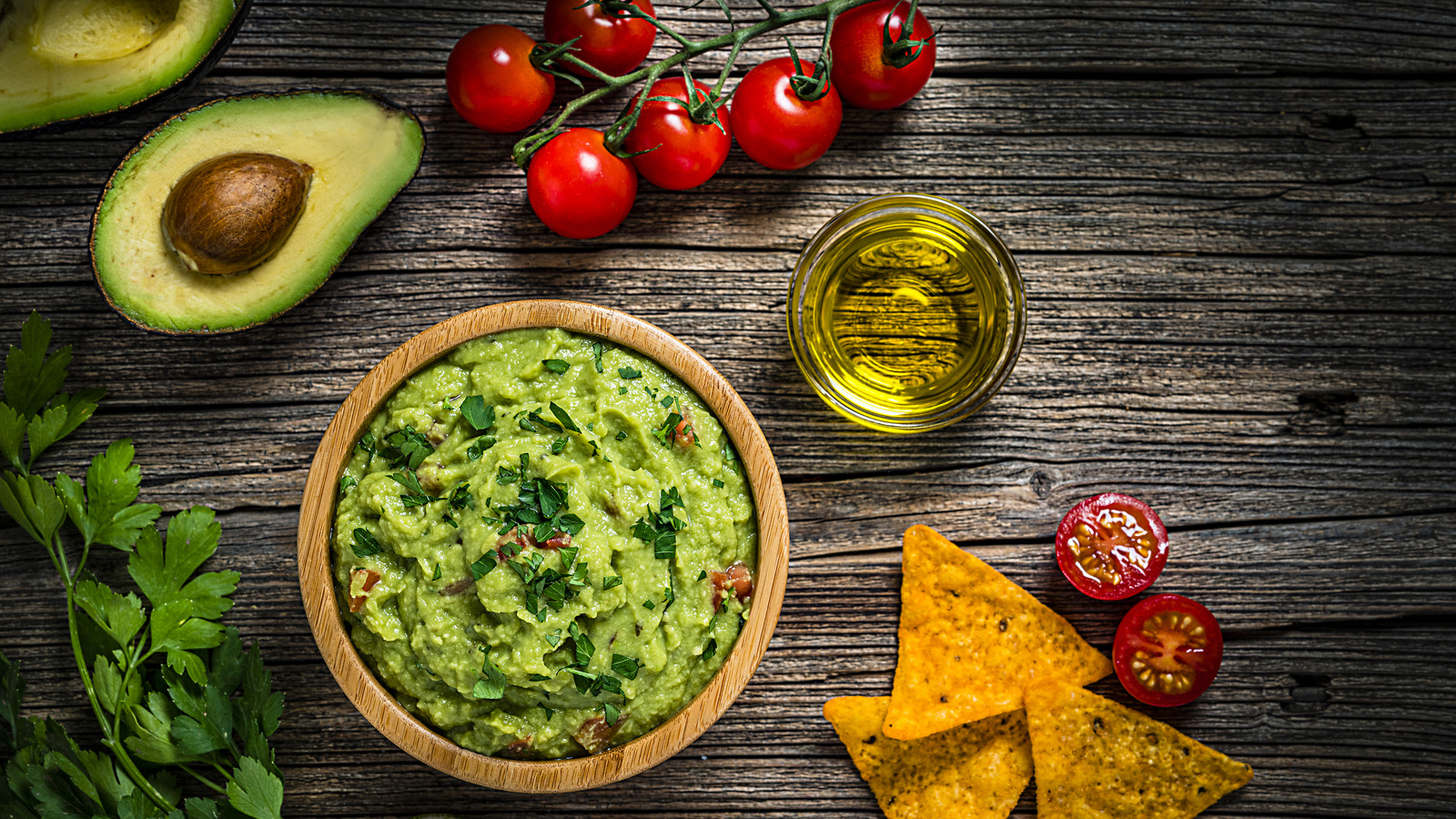
The vibrant green, creamy texture, and zesty flavor of guacamole have made it a beloved staple on tables worldwide. But beyond its modern appeal as a quintessential party dip or taco topping, lies a rich and fascinating history stretching back thousands of years to the heart of ancient Mesoamerica. This isn't just a simple avocado spread; it's a culinary artifact, a direct link to the sophisticated gastronomic traditions of the Aztec civilization. Join us as we journey back in time to uncover the deep roots of guacamole, a true taste of ancient Mexico.
The Ancient Roots: Guacamole's Aztec Legacy
To truly understand guacamole, we must first travel to the lands inhabited by the Aztecs between the 14th and 16th centuries. Here, amid a thriving agricultural society, the avocado (ahuacatl in Nahuatl, the Aztec language) was not just a fruit; it was a vital superfood. Revered for its high fat content, essential vitamins, and impressive nutritional profile, avocados provided critical sustenance, earning them the descriptive moniker "poor man's butter" from later Spanish conquistadors.
It was within this context of indigenous abundance that the Aztecs developed ahuacamolli – the original guacamole. The name itself is a beautiful fusion of Nahuatl words: ahuacatl (avocado) and molli (sauce). This simple, elegant name perfectly describes the dish's essence: a sauce made from avocados. Interestingly, the term ahuacatl also carried a secondary, more colorful connotation in Nahuatl, referring to "testicle" due to the avocado's shape and how it hangs from the tree in pairs. This linguistic quirk adds another layer of historical intrigue to the humble avocado.
The existence of guacamole as an integral part of Aztec daily life and feasts is well-documented. Franciscan friar Bernardino de Sahagún, a chronicler of indigenous life, recorded the dish in his comprehensive 16th-century Florentine Codex, cementing its place in the historical record. Moreover, archaeological evidence paints an even deeper picture, indicating that avocado cultivation in central Mexico dates back an astonishing 7,000 years. This long history underscores the profound connection between guacamole and the agricultural prowess and sustained well-being of the region's indigenous peoples. From its humble origins as an Aztec condiment, guacamole has embarked on a remarkable journey, a story further explored in From Ahuacamolli to Global Dip: Guacamole's Cultural Journey.
Crafting the Original: Traditional Ingredients and Methods
The essence of Aztec guacamole was its simplicity, allowing the rich flavor of the avocado to shine. At its core, the traditional preparation involved ripe avocados, mashed to a creamy consistency. To this verdant base, the Aztecs would typically add salt to enhance the flavor and, often, lime juice (or other acidic fruits) not just for its tangy zest, but also to help preserve the vibrant green color and prevent rapid browning – a clever culinary trick that endures to this day.
However, the Aztec palate was sophisticated, and their guacamole could be much more than just avocado, lime, and salt. Traditional recipes frequently incorporated a symphony of fresh, local ingredients. Finely chopped onions provided a sharp bite, diced tomatoes (or tomatillos) added a burst of freshness and color, and minced chilies, such as jalapeños or serranos, introduced varying degrees of heat. Cilantro, with its distinctive fresh aroma, and garlic, for its pungent depth, were also common additions, creating a complex, vibrant, and chunky texture that perfectly balanced creamy, tangy, and spicy notes.
Crucially, the preparation method itself was deeply rooted in Aztec culinary practices. The ingredients were not merely chopped and stirred; they were meticulously ground and blended using a molcajete. This stone mortar and pestle, often carved from volcanic rock, was (and still is) an indispensable tool in Mexican kitchens. The act of crushing and grinding the components in a molcajete releases their essential oils and flavors in a way that modern food processors cannot replicate, resulting in a depth and authenticity of taste that truly honors its ancient origins. This hands-on approach reflects a respect for ingredients and a commitment to flavor that defines traditional Mexican cuisine.
From Mesoamerica to Modern Tables: Guacamole's Global Journey
When Spanish conquistadors arrived in Mesoamerica, they encountered guacamole and the avocado for the first time. While initially unfamiliar, the rich, creamy dish eventually captivated their palates and began its slow journey beyond the continent. However, its widespread global prominence took centuries. It wasn't until avocados were introduced to the United States in 1871 that the stage was set for guacamole to transcend its regional boundaries. The real surge in popularity, though, occurred during the late 1960s and 1970s, fueled by a burgeoning interest in Mexican cuisine and a growing health-conscious movement that recognized the nutritional benefits of avocados.
Today, guacamole is more than just a dip; it has become an iconic symbol of Mexican cultural heritage. It evokes images of family gatherings, festive celebrations, and communal dining, a culinary centerpiece bringing people together. Its versatility is arguably one of its greatest strengths. While traditionally served with corn tortillas or as a side dish, modern adaptations have seen guacamole embraced in countless ways. It's the perfect accompaniment for tortilla chips, a cooling counterpoint to spicy tacos, a creamy spread for toast, a flavorful topping for hamburgers and sandwiches, or even a dollop on a baked potato.
The transition of guacamole from an indigenous Aztec condiment to a staple of the international culinary lexicon is a testament to its enduring appeal and adaptability. It represents a beautiful story of cultural fusion, demonstrating how a simple, ancient recipe can evolve and captivate taste buds across diverse cultures and cuisines. Its global journey, from ahuacamolli to the universally recognized dip, is a fascinating narrative that continues to unfold, inspiring new culinary creations worldwide.
Mastering Your Own Aztec-Inspired Guacamole
Crafting your own batch of delicious guacamole is a rewarding experience, and with a few tips, you can achieve restaurant-worthy results right at home. The secret begins with selecting the right avocados. Look for those that yield slightly to gentle pressure when squeezed but aren't mushy. Ripe avocados are crucial for that smooth, creamy texture. You'll typically need two to three medium-sized ripe avocados for a standard batch.
While a traditional molcajete offers an authentic experience, a fork or potato masher works perfectly for mashing the avocado flesh in a bowl. Start by mashing the avocado to your desired consistency – some prefer it perfectly smooth, while others love a chunkier texture. Then, introduce your core seasonings. Fresh lime juice is non-negotiable; it brightens the flavor and, as the Aztecs discovered, helps prevent browning. A good pinch of salt is essential to enhance all the flavors. Freshly cracked black pepper can also be added for a subtle kick.
Optional Flavor Boosters and Customization Tips:
- Aromatics: Finely chopped red onion or white onion adds a sharp, fresh crunch. Minced garlic offers a pungent depth.
- Heat: For a gentle warmth, finely dice half a jalapeño (removing seeds for less heat). For more intensity, opt for serrano peppers.
- Freshness: Fresh cilantro, finely chopped, is a classic addition that provides a bright, herbaceous note.
- Texture & Sweetness: Diced ripe tomatoes (deseeded to prevent a watery consistency) can add a touch of sweetness and vibrant color.
- Beyond the Basics: Experiment with a pinch of cumin for earthiness or a dash of hot sauce for extra spice.
Mix all ingredients gently until well combined, tasting and adjusting seasoning as you go. Remember, the key to great guacamole is balance. If you're looking for a quick and simple approach to making this iconic dip, be sure to check out Mastering Easy Guacamole: Quick Recipe & Flavorful Tips for a comprehensive guide.
Storage Savvy: Keeping Guacamole Green
To keep your guacamole from browning, press plastic wrap directly onto the surface of the dip before sealing the container. You can also add a thin layer of lime juice or water over the top before covering; just drain it off before serving. Stored properly in an airtight container, your homemade guacamole can last a day or two in the refrigerator, though it's always best enjoyed fresh!
The options for serving this delicious dip are truly endless. While it's a perfect partner for tortilla chips, consider spreading it on toast, using it as a vibrant topping for grilled chicken or fish, or even incorporating it into a layered dip. Its versatility allows it to elevate almost any meal, reflecting its journey from ancient Aztec sustenance to a modern culinary marvel.
Conclusion
From the sun-drenched fields of ancient Mexico to countless tables across the globe, guacamole stands as a powerful testament to the enduring legacy of the Aztec civilization. It's more than just a delicious dip; it's a living piece of history, a direct connection to sophisticated agricultural practices, vibrant culinary traditions, and a resourceful culture that understood the value of simple, nourishing ingredients. Every scoop of creamy, flavorful guacamole is a taste of that rich heritage, a celebration of ingenuity, and a delicious reminder that some of the best culinary creations have roots that stretch back thousands of years.
