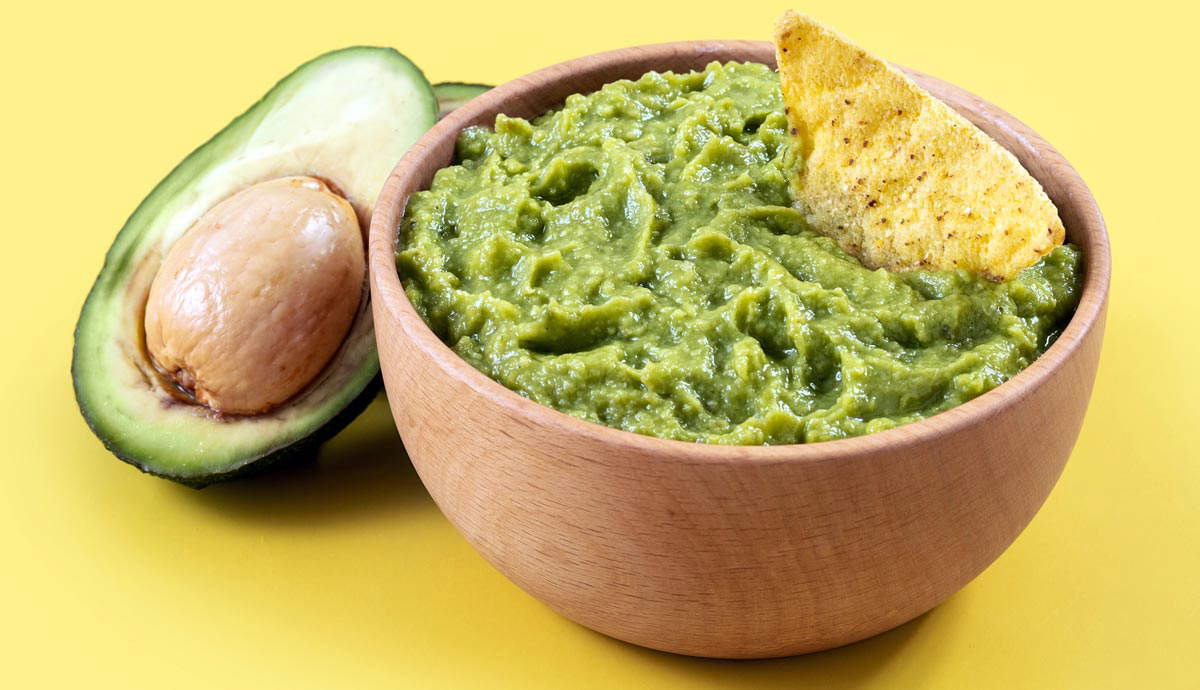
From Ahuacamolli to Global Dip: Guacamole's Cultural Journey
Few dishes command as much global affection as guacamole. This vibrant, creamy, and endlessly adaptable dip, originating from the heart of ancient Mexico, has transcended its humble beginnings to become a culinary staple worldwide. More than just a simple avocado spread, guacamole carries centuries of history, profound cultural significance, and a story as rich and complex as its flavor profile. Join us as we trace its remarkable journey, from its ancestral roots in Mesoamerica to its omnipresence on modern tables.
The Ancient Roots: Guacamole's Birth in Mesoamerica
The story of guacamole begins not in a modern kitchen, but in the verdant lands of pre-Columbian Mesoamerica, specifically among the Aztecs. It was here, between the 14th and 16th centuries, that this iconic dish first took shape. The Aztecs, a sophisticated civilization flourishing in what is now central Mexico, developed a simple yet revolutionary mixture: mashed avocados combined with other readily available ingredients. They named this concoction
ahuacamolli, a term derived from the Classical Nahuatl language. Breaking down the word reveals its essence:
ahuacatl, meaning "avocado," and
molli, signifying "sauce" or "condiment." This linguistic root perfectly captures the dish's fundamental preparation as a mashed avocado sauce.
Interestingly, the word
ahuacatl itself held a secondary, somewhat playful, slang connotation in Nahuatl, referring to "testicle." This was likely due to the avocado's distinctive shape and the way the fruit often grows in pairs, hanging from the tree. While this etymological detail might raise an eyebrow today, it simply reflects the ancient observers' descriptive approach to nature and the resourcefulness with which they named their foods.
Avocados were far more than just a tasty fruit for the Aztecs; they were a vital food source. Archaeological evidence suggests avocado cultivation in central Mexico dates back an astonishing 7,000 years, underscoring its deep ties to indigenous agriculture and sustenance. Rich in healthy fats and essential vitamins, avocados provided crucial nourishment. The Spanish conquistadors, upon their arrival in the 16th century, quickly recognized their nutritional value, reportedly referring to them as "poor man's butter."
The significance of guacamole in Aztec daily life and feasts is well-documented. The 16th-century Florentine Codex, an ethnographic masterpiece compiled by Franciscan friar Bernardino de Sahagún, meticulously records the culture, religion, and daily lives of the Aztec people, including their culinary practices. The codex highlights guacamole's esteemed place within their diet, confirming its status as a staple rather than a mere novelty. To learn more about this foundational period, explore
The Aztec Roots of Guacamole: A Taste of Ancient Mexico.
Traditionally, the ingredients for guacamole were, and often still are, prepared using a
molcajete. This stone mortar and pestle, a tool with deep roots in Aztec culinary practices, allowed for the meticulous grinding and blending of components, creating a texture that was both creamy and chunky, a hallmark of authentic guacamole.
From Regional Delicacy to Global Sensation
For centuries, guacamole remained a regional Mexican delicacy. Its journey beyond Mesoamerica truly began when the Spanish borrowed the Nahuatl word, adapting it phonetically into Latin American Spanish as "guacamole." However, it wasn't until the 19th and 20th centuries that the dip started its ascent to global recognition.
Avocados were introduced to the United States in 1871, but it took nearly another century for guacamole to truly capture the American palate. The late 1960s and 1970s marked a significant surge in its popularity, coinciding with a growing interest in Mexican cuisine and a rising tide of health-conscious eating. The avocado, with its creamy texture and perceived health benefits, fit perfectly into this emerging culinary landscape.
What began as a popular dip for tortilla chips quickly evolved. Guacamole transcended its role as a simple accompaniment, becoming a vibrant symbol of Mexican cultural heritage. It evokes images of family gatherings, festive celebrations, and communal dining – moments where food brings people together. Its irresistible combination of creamy, tangy, and subtly spicy notes made it a versatile addition to countless meals.
Today, guacamole is enjoyed in virtually every corner of the world. Its global presence is a testament to its adaptability and universal appeal. While it remains a staple with traditional Mexican dishes like tacos, enchiladas, and nachos, its versatility has led to countless adaptations. From being spread on toast, dolloped onto baked potatoes, or used as a gourmet burger topping, guacamole continues to find new ways to delight taste buds across diverse culinary traditions.
Crafting the Perfect Guacamole: Traditional vs. Modern Twists
At its heart, a truly great guacamole celebrates the natural richness of ripe avocados. The fundamental recipe is deceptively simple, yet the nuanced balance of its components is what elevates it from good to unforgettable.
Essential Ingredients: The Core of the Flavor
- Ripe Avocados: This is non-negotiable. Choose avocados that yield slightly to gentle pressure, indicating a creamy interior. Underripe avocados will be hard and flavorless, while overripe ones can be stringy or brown.
- Lime Juice: Crucial for both flavor and function. Fresh lime juice adds a bright, zesty tang that cuts through the avocado's richness, balancing the taste. Chemically, its acidity also helps prevent the avocado from browning rapidly due to oxidation.
- Salt: A fundamental seasoning that enhances all other flavors. A good pinch of coarse sea salt or kosher salt is usually preferred.
Traditional Enhancements: Adding Depth and Texture
While the basic trio is a good start, traditional recipes incorporate additional fresh elements to create the vibrant, chunky texture and complex flavor profile that defines authentic guacamole.
- Onions: Finely chopped white or red onions add a crisp texture and pungent bite.
- Tomatoes: Diced ripe tomatoes (often deseeded to prevent a watery consistency) contribute sweetness, a touch of acidity, and vibrant color.
- Chilies: Minced jalapeños or serrano peppers are traditional for adding a kick of heat. For those who prefer less spice, a smaller quantity or milder chilies can be used.
- Garlic: Minced fresh garlic imbues a warm, aromatic depth.
- Cilantro: Freshly chopped cilantro provides a distinctive herbaceous note that brightens the entire dip.
The preparation often involves gently mashing the avocados to a desired consistency – some prefer it smooth, others chunky – and then folding in the other ingredients. The goal is to balance the creamy, tangy, and spicy notes, ensuring each spoonful offers a harmonious blend of flavors and textures. For a comprehensive guide on making your own restaurant-worthy dip at home, check out
Mastering Easy Guacamole: Quick Recipe & Flavorful Tips.
Serving and Storage Tips
Guacamole is best served fresh, ideally within a few hours of preparation, to enjoy its vibrant green color and peak flavor. If you need to store it, place the guacamole in an airtight container, pressing plastic wrap directly onto the surface of the dip to minimize air exposure. A thin layer of water or lime juice on top before sealing can also help prevent browning.
The serving possibilities for guacamole are truly endless. While it remains a quintessential companion to tortilla chips, its versatility shines in various applications:
- As a topping for tacos, burritos, and enchiladas
- Spread on toast or sandwiches for a healthy, flavorful kick
- Dolloped onto grilled chicken, fish, or baked potatoes
- Mixed into salads for a creamy dressing
- As a cooling counterpoint to spicy dishes
From a simple snack to a sophisticated accompaniment in fusion dishes, guacamole continues to prove its adaptability, cementing its place as a beloved global dip.
Conclusion: Guacamole's Enduring Legacy
Guacamole's journey is a vibrant tapestry woven through centuries, reflecting resilience, adaptation, and universal appeal. From its humble origins as
ahuacamolli in Aztec society, a vital source of sustenance prepared with the aid of a molcajete, it has evolved into a global culinary icon. It represents more than just a dish; it embodies cultural heritage, a symbol of communal celebration, and a testament to the timeless appeal of simple, fresh ingredients. As it continues to grace tables worldwide, guacamole reminds us of the rich connections between food, history, and the shared human experience, promising to delight palates for generations to come.